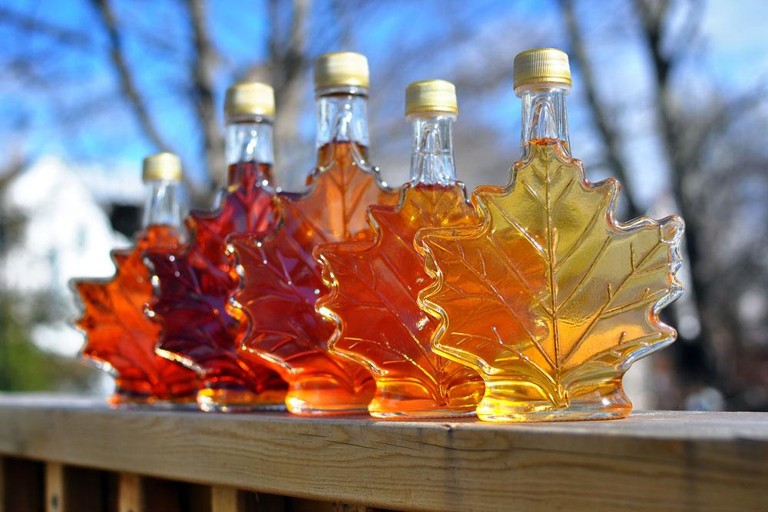
In Quebec’s thriving craft beverage industry, maple syrup has found a new and unexpected role: as the foundation for award-winning spirits. Once reserved for pancakes and desserts, maple is now being distilled, aged, and refined into products that reflect both the province’s heritage and its growing reputation for innovation.
Over the past decade, small-batch distilleries across Quebec have begun experimenting with maple as a natural fermentable base, creating vodkas, gins, and even whiskies with a distinctly Canadian twist. The result is a category of spirits that blend tradition with creativity—balancing sweetness with complexity. For many producers, maple is not just an ingredient but a symbol of identity.
At Distillerie Shefford, located in the Eastern Townships, master distiller Amélie Giroux describes maple as a versatile canvas. “It’s incredible how it transforms during fermentation,” she says. “You get delicate floral notes at first, then deep caramel and smoke after aging. Every batch tells its own story.” Her flagship product, a maple-based gin, recently took home gold at the Canadian Artisan Spirits Competition.
The rise of maple-based spirits has also attracted international attention. Export demand has grown steadily, particularly in Europe and Asia, where consumers associate maple with purity and craftsmanship. In response, Quebec’s distilleries have formed a cooperative network to promote their products abroad under a unified label—‘Érable Distillé du Québec’—highlighting origin and authenticity.
Local tourism has benefited as well. Visitors to the province’s sugar shacks can now follow “maple-to-glass” tours, where they learn about distillation and sample products ranging from liqueurs to barrel-aged eau-de-vie. The pairing of culinary heritage and craft innovation has transformed maple from a seasonal treat into a year-round ambassador of Quebecois culture.
Sustainability plays a central role in the movement’s success. Many distilleries source sap from family-owned maple farms and use by-products as fuel or fertilizer, minimizing waste. The circular nature of the process aligns with Quebec’s broader environmental initiatives, demonstrating how traditional resources can power a modern, eco-conscious industry.
As the market expands, so does pride among local producers who see maple as more than a novelty—it’s a statement of place. “We’re not trying to imitate Scotch or Cognac,” Giroux adds. “We’re creating something uniquely ours.” With every bottle poured, Quebec’s craft distillers are proving that innovation can grow from the sweetest roots of tradition.