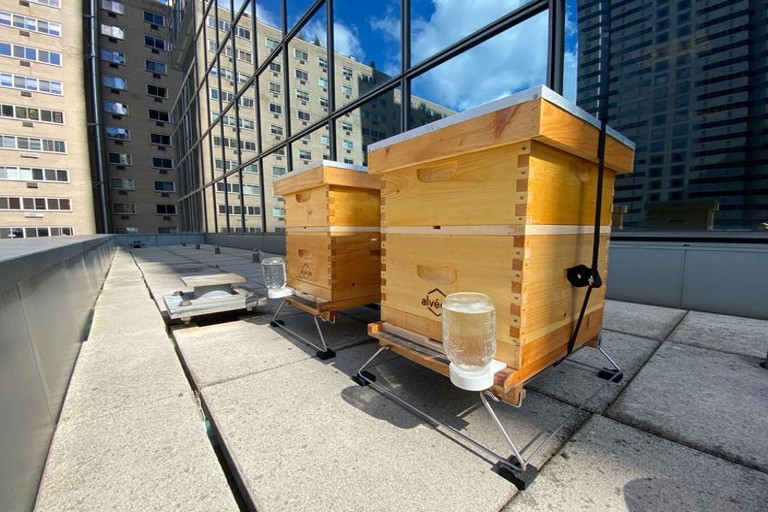
Across rooftops in Toronto, balconies in Vancouver, and community gardens in Montreal, the gentle hum of bees is becoming a familiar urban soundtrack. Once a rarity, urban beekeeping has flourished across Canada as citizens embrace sustainability and biodiversity in the heart of their cities. What began as a niche hobby has grown into a nationwide environmental movement with social and ecological impact.
The appeal of urban beekeeping lies not just in honey production, but in its power to reconnect people with nature. In dense urban environments, rooftop hives are transforming empty spaces into micro-ecosystems that support pollination and plant life. “You don’t have to live in the countryside to make a difference,” says beekeeper André Labelle of Montreal. “Every hive helps balance the local environment.”
Data from the Canadian Urban Bee Network shows that the number of registered urban hives has more than doubled since 2018. Municipalities are responding by updating zoning and licensing rules to encourage responsible practices. Some cities even offer workshops and grants to help residents set up hives safely and ethically, ensuring that the growing enthusiasm doesn’t come at the expense of bee welfare.
In Calgary, the nonprofit group Hive for Humanity manages over 60 rooftop installations, working with schools and local businesses to promote education and sustainability. Their programs teach students about pollination, ecology, and the interconnectedness of food systems. “It’s not just about bees,” explains founder Sarah Jensen. “It’s about understanding how small actions in a city can have global consequences.”
Urban honey, too, has found its niche in the culinary world. Chefs across Canada are incorporating locally harvested honey into restaurant menus, celebrating its unique flavor profiles shaped by each city’s flora. In Vancouver, the Fairmont Waterfront Hotel bottles its own honey from rooftop hives and serves it in everything from pastries to cocktails. It’s a sweet example of circular sustainability at work.
Environmental scientists note that urban areas can surprisingly offer bees a stable habitat compared to industrial farmlands. Cities often feature diverse flowers and fewer pesticides, allowing bees to forage safely. This unexpected resilience has turned Canadian cities into laboratories for biodiversity research, helping scientists study how pollinators adapt to changing climates.
Challenges remain, however. Overcrowding of hives and improper hive management can threaten local bee populations. To address this, provincial agricultural departments have introduced certification programs for new beekeepers. These initiatives emphasize disease prevention, hive spacing, and seasonal care—standards that ensure urban apiculture remains sustainable for both bees and humans.
Community engagement continues to drive the movement forward. Urban beekeeping cooperatives organize harvest festivals and public tastings that bring neighbors together while raising awareness about pollinator decline. For many Canadians, the sight of bees buzzing among city skylines has become a symbol of resilience and coexistence between urban life and the natural world.
As more Canadians join the ranks of rooftop beekeepers, the movement is reshaping how cities think about green spaces and sustainability. From honey jars to classrooms, the message is spreading: caring for bees means caring for the planet. In every hive and on every rooftop, Canada’s urban beekeepers are proving that environmental stewardship can thrive—even in the busiest of places.